Serving DFW & Surrounding AreasLicensed & Insured · Certified Installer · 5-Star Rated(817) 914-3279
Home›Asphalt Shingle Roofing
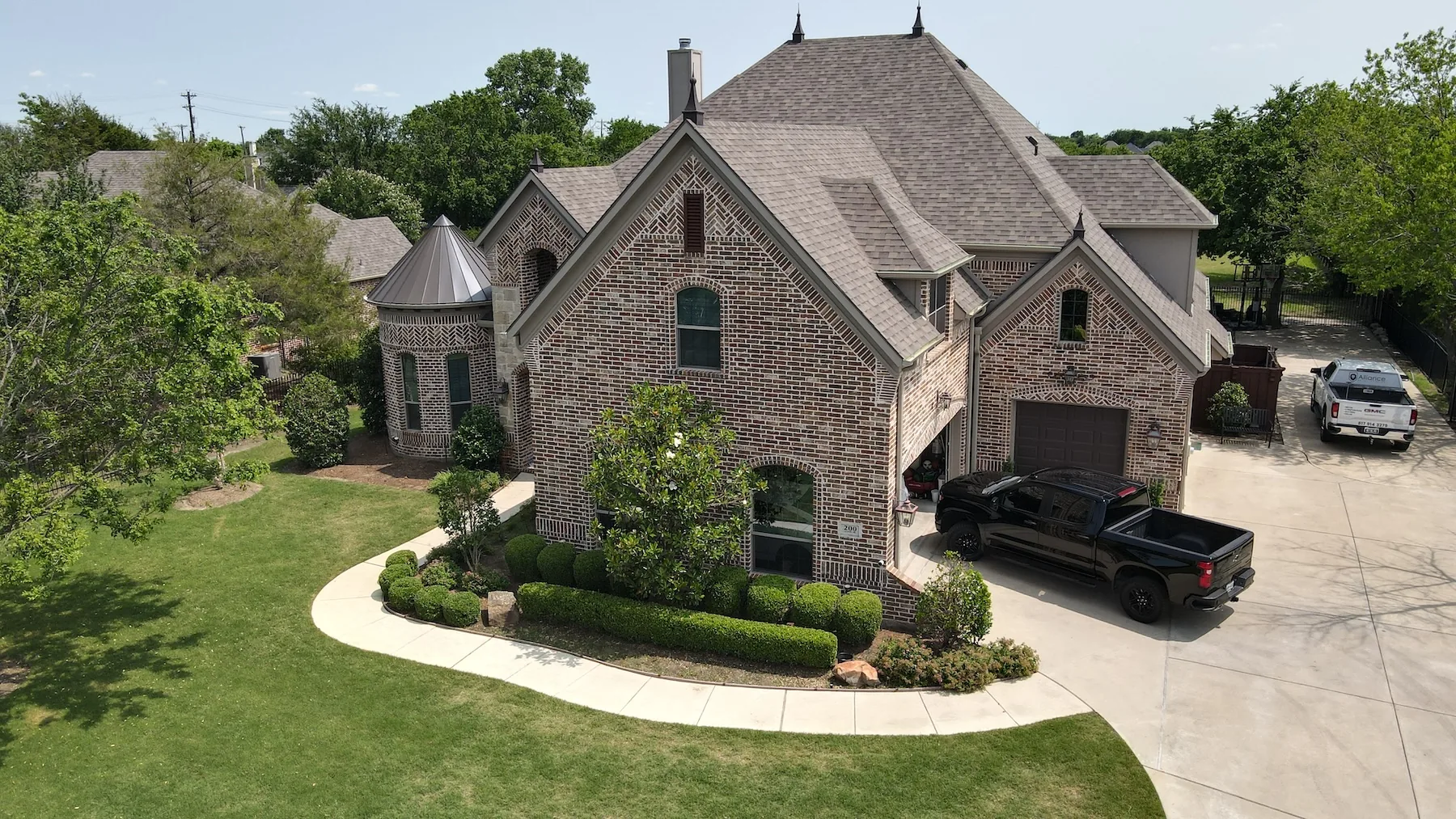
North Texas home with an asphalt architectural shingle roof and an Alliance Metal Roofing truck at the property
Residential Asphalt Roofing · North Texas

Asphalt Shingle Roofing in Fort Worth & DFW

Alliance installs architectural shingles, impact-resistant Class 4 systems and premium designer asphalt roofing throughout North Texas—with the installation details and attic ventilation that help a roof perform the way it should.

Architectural ShinglesClass 4 OptionsDesigner ShinglesDFW Hail Experience

What Is an Asphalt Shingle, Anyway?

Modern asphalt shingles are a layered roofing product. A fiberglass mat provides reinforcement, asphalt provides waterproofing, and mineral granules protect the asphalt from ultraviolet light while creating the roof's color and texture.

Asphalt

The broad roofing category. Asphalt is the waterproofing material used around the fiberglass reinforcement in modern shingles.

Composition

A common trade term for shingles made from a composition of materials—typically fiberglass, asphalt, mineral fillers and protective granules.

Architectural

A dimensional shingle style designed to create more depth and visual variation than traditional flat three-tab shingles.

Laminated

A construction term for shingles made with layered pieces bonded together. Most modern architectural shingles are laminated shingles.

What's the difference between architectural, laminated, composition and asphalt?

For most homeowners, asphalt and composition describe the general shingle category, while architectural, laminated and dimensional are commonly used for the layered style that dominates residential re-roofing today. They are related terms—not four completely different roofing materials.

What Type of Asphalt Shingle Is Right for My Home?

For most North Texas homes, the decision comes down to three useful categories: a quality architectural shingle, an impact-resistant upgrade, or a premium designer shingle.

The Everyday Choice

Architectural Shingles

This is the default residential asphalt roof most homeowners picture today: laminated construction, dimensional appearance, broad color selection and a reasonable upfront cost.

  • Strong value for standard roof replacement
  • Easy access to repairs and materials
  • Available from all major manufacturers
  • Good fit when budget is the first priority
North Texas Upgrade

Class 4 Impact-Resistant

Class 4 is the highest UL 2218 impact-resistance classification. Many impact-resistant shingles use polymer-modified asphalt or other reinforcement strategies to improve resilience, but the exact technology varies by manufacturer.

  • Designed to pass a tougher impact test
  • May qualify for an insurance discount
  • Not hail-proof
  • Worth comparing in hail-prone DFW
Curb Appeal First

Designer & Premium

Designer shingles use heavier builds, deeper shadow lines and more distinctive patterns to imitate slate, shake or other high-end roof styles.

  • More dimensional appearance
  • Premium colors and patterns
  • Often heavier than entry-level shingles
  • Best when appearance matters as much as price
What about three-tab shingles? Alliance generally avoids three-tab shingles when an architectural shingle is a practical option. The material-price gap is often small compared with the improvement in appearance, dimensional construction and available performance features.
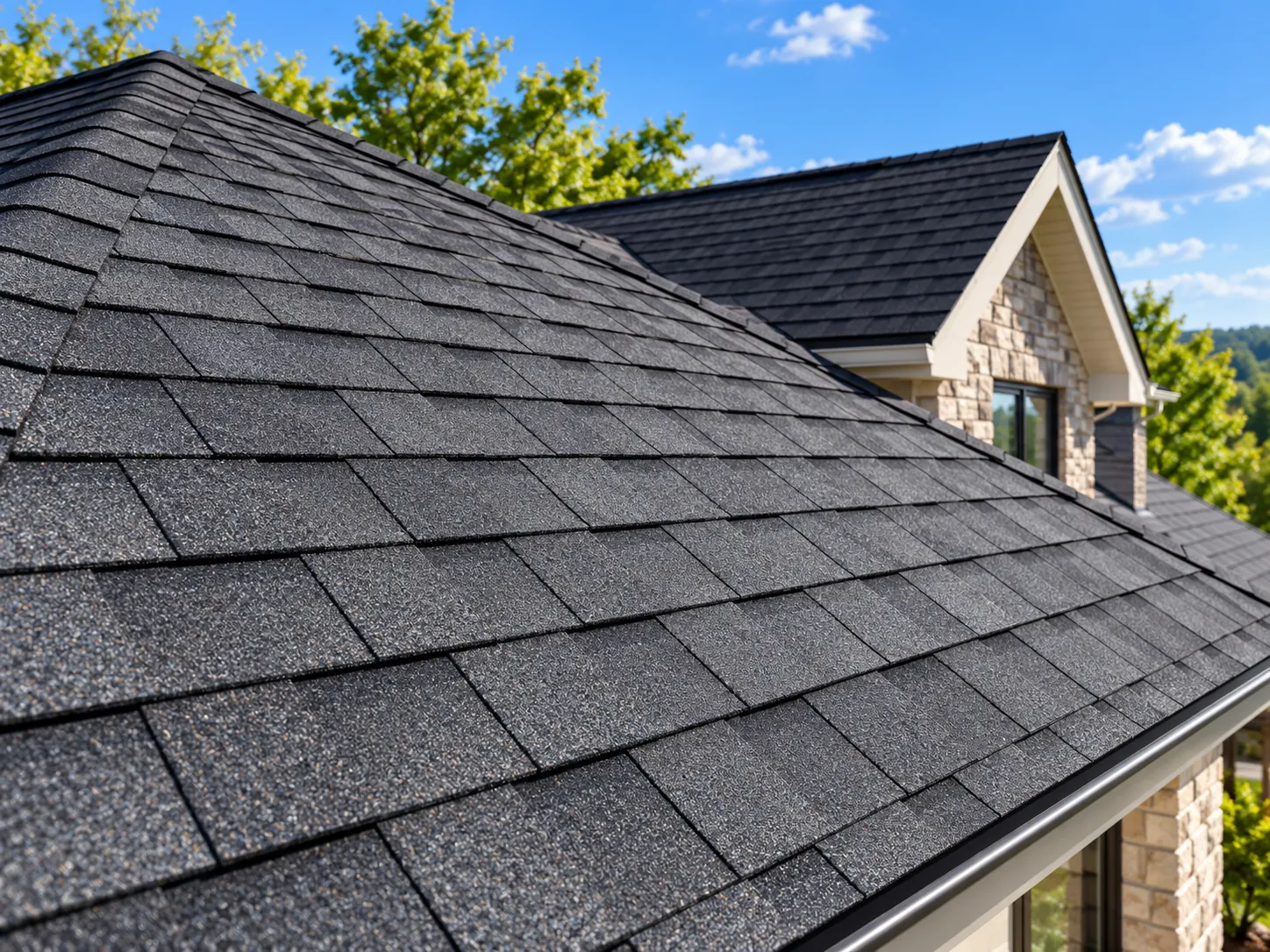
Close-up view of dark architectural asphalt shingles showing dimensional laminated construction
Architectural shingles create depth through laminated, dimensional construction.
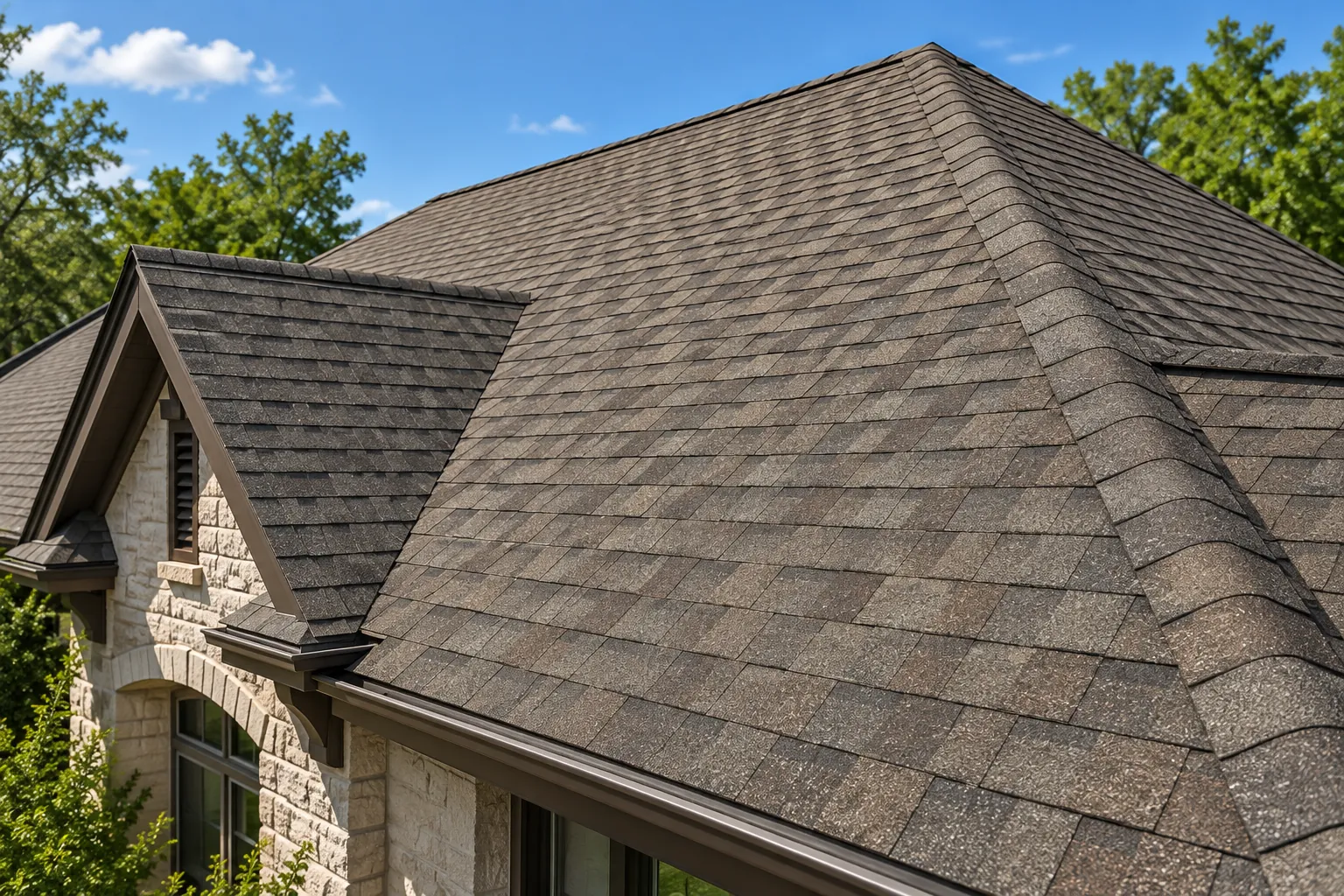
Weathered wood color architectural asphalt shingles on a North Texas style home
Premium color blends can dramatically change the curb appeal of a shingle roof.

What Alliance Looks for in a Good Architectural Shingle

The brand name matters, but the details that affect installation matter even more. On a laminated shingle, fasteners need to land where the product is engineered to be nailed and penetrate the intended layers.

Our crews install thousands of fasteners on a typical roof. A wide, reinforced and clearly visible nailing area helps installers stay consistent. We also pay attention to laminate bonding, granule retention, how a shingle handles hot-weather foot traffic, wind performance and the overall roofing system around the field shingle.

  • A clear nailing target through the common bond or intended fastening area
  • Strong laminate adhesion and fastener holding characteristics
  • Granule retention and handling during Texas summer installation
  • A complete accessory system for starter, hip/ridge, underlayment and ventilation
  • Manufacturer warranty terms that match the installed system
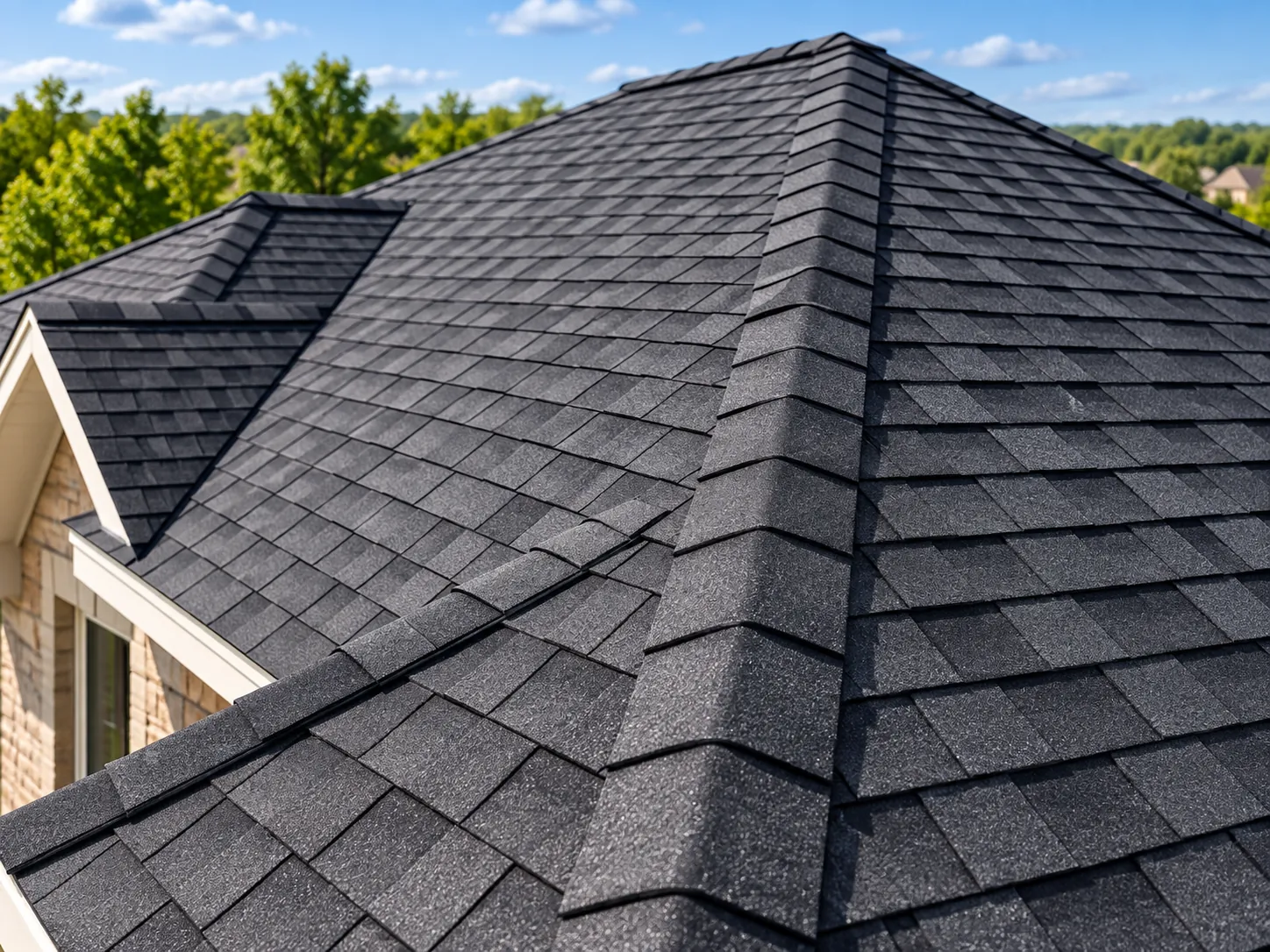
Detailed architectural asphalt shingle roof with hip and ridge cap installation
1

Owens Corning Duration

Alliance's first choice

Duration's SureNail technology uses a wide, visible engineered fabric strip across the common-bond area. In our own hot-weather installation experience, Duration also handles crew foot traffic and granule retention very well, which is a major reason it is our preferred standard architectural shingle.

2

Malarkey Highlander

Strong installation features

Highlander uses Malarkey's larger “The Zone” nailing area and NEX polymer-modified asphalt. The product is currently UL 2218 Class 3—not Class 4—but we like the nailing target and the resilient asphalt technology.

3

CertainTeed Landmark

Reliable architectural option

Landmark is a widely used laminated architectural shingle with CertainTeed's NailTrak nailing area. Product ratings and warranty options vary by Landmark version, so we match the exact product to the homeowner's priorities.

This is Alliance Metal Roofing's contractor preference based on installation experience—not an independent laboratory ranking. Product specifications change; always verify the exact current product data and warranty.

Proper Installation Matters More Than the Name on the Bundle

A premium shingle cannot make up for a bad roof deck, poor fastener placement, weak flashing or an attic that cannot breathe.

01

Tear Off to the Deck

Alliance generally prefers removing the old roofing materials down to the wood deck so hidden conditions are not buried under another layer.

02

Inspect the Wood

We check decking around penetrations, valleys, eaves and other vulnerable areas, replacing wood that is rotten or no longer structurally sound.

03

Rebuild the Water-Shedding Layers

Underlayment, flashings, pipe penetrations, starter and ridge components need to work together—not just the field shingles.

04

Nail It Correctly

Fasteners need the right placement, depth and pattern for the exact shingle and roof conditions. A good nailing zone only helps when it is actually used.

Attic Ventilation Can Make or Break a Roof

A balanced attic system brings outside air in low through soffit or other intake vents and lets warm, moisture-laden air escape near the roof peak. One problem we routinely find is blown-in insulation or accumulated debris blocking the soffit intake, which starves the exhaust vents of replacement air.

LowIntake air enters near the eaves or lower attic.
HighExhaust air leaves near the roof peak.
BalancedLomanco generally recommends roughly 50% intake and 50% exhaust.

Lomanco commonly recommends 1 sq. ft. of net free ventilation per 300 sq. ft. of attic floor area when the 1/300 ratio is permitted, divided about equally between intake and exhaust. Local code and attic conditions can require different ratios, including 1/150.

Are Class 4 Shingles Worth It in North Texas?

For homeowners who want to stay with asphalt but improve impact resistance, Class 4 is one of the most important upgrades to compare.

2 IN.

UL 2218 Class 4

The Class 4 test uses a 2-inch steel ball dropped from 20 feet onto multiple locations of the roofing specimen. The material must avoid the failure criteria defined by UL 2218. Class 4 is the highest impact classification in that test.

Important: this is an impact rating, not a guarantee against real-world hail. Wind ratings and wind warranties are separate product specifications.

Many Use Modified Asphalt

Many impact-resistant shingles use polymer-modified asphalt such as SBS or other reinforcement strategies. The goal is more flexibility and resilience under impact, but not every Class 4 shingle is constructed the same way.

They Can Still Age

An impact-resistant asphalt shingle is still an asphalt roof. Heat, UV exposure and time matter, which is another reason correct ventilation and installation remain important.

Insurance Discounts Vary

The Texas Department of Insurance says qualifying impact-resistant roofing may be eligible for premium credits, with Class 4 receiving the highest impact classification credit. Each insurer decides its own discount amount and documentation requirements.

Alliance field experience

As asphalt shingles age, they often become drier and less flexible. In our inspections, roofs around the 12–15 year range frequently begin showing noticeably more brittleness, although actual aging varies widely by ventilation, orientation, product, installation and storm history. Keeping a roof cooler and properly ventilated can help preserve the conditions it needs to perform over time.

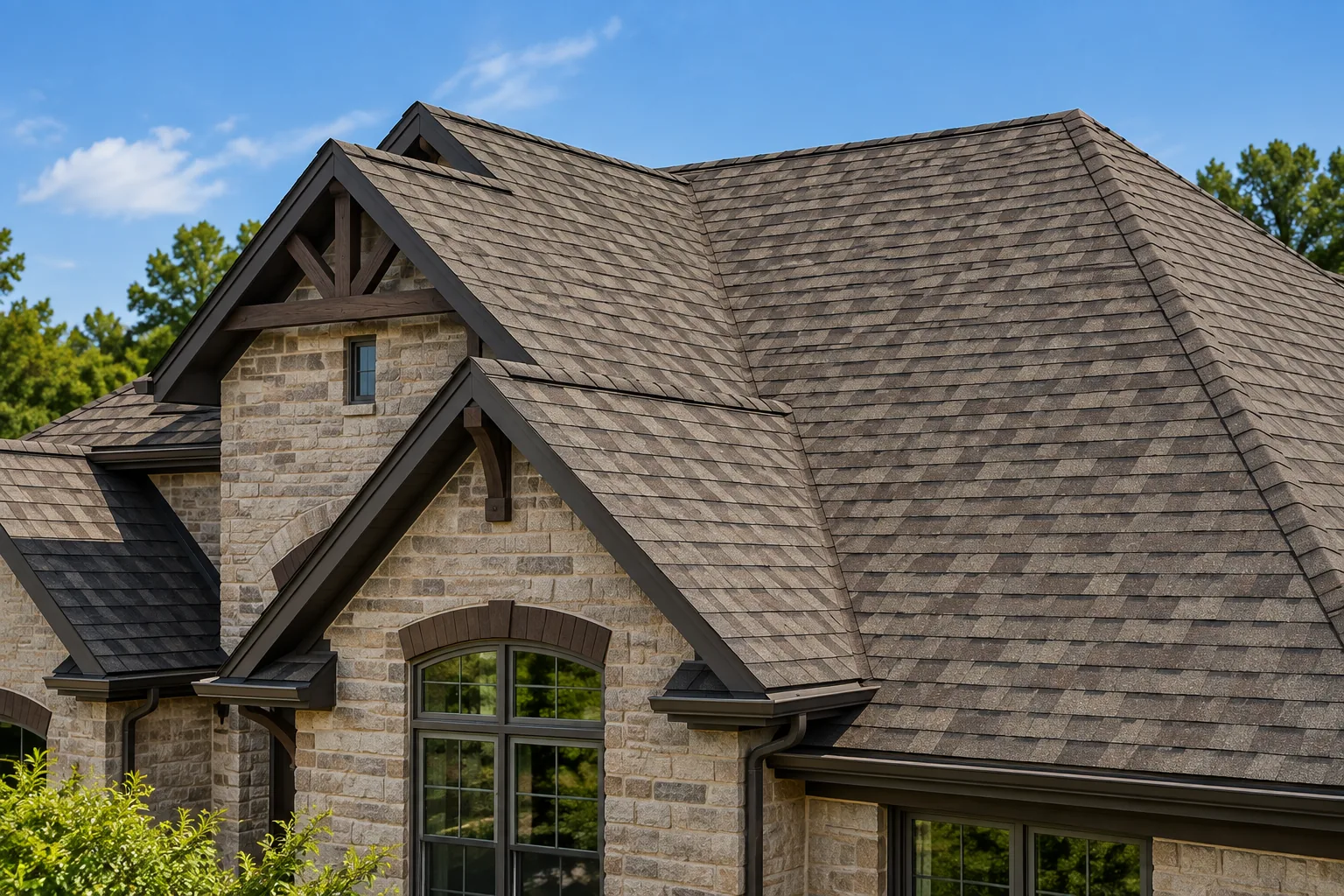
Premium weathered wood architectural asphalt shingle roof on a large home

How Long Do Asphalt Shingles Last in North Texas?

There is no single expiration date. A quality architectural shingle roof can often provide 20+ years of service under favorable conditions, and some roofs go longer. North Texas heat, hail, ventilation and workmanship can change that timeline considerably.

Eventually, repairs can reach a point of diminishing returns. When shingles become brittle, repeated spot repairs may cost money without restoring the overall roof's remaining life. That is when it makes sense to compare the repair cost against replacement instead of automatically patching one more area.

  • Age is only one factor—condition matters more than a birthday
  • Ventilation and attic heat can accelerate aging
  • Hail and wind history can shorten useful service life
  • Repeated repairs on a brittle roof may stop being economical

What Does Hail Damage Actually Do to an Asphalt Roof?

A roof does not have to leak the day after a storm to deserve a closer look. Hail can shorten a shingle's remaining service life by damaging the surface and, in stronger impacts, bruising or fracturing the shingle.

Granules Protect the Asphalt

Mineral granules shield the asphalt from ultraviolet light. Hail impacts can displace granules and expose more asphalt to weathering. But not every dark spot or area of granule loss is hail damage—normal aging, foot traffic and manufacturing conditions can look different or similar.

Functional Damage Can Be Subtle

A trained inspection looks for consistent impact patterns, bruising, mat fracture and collateral evidence rather than assuming every mark came from hail. The roof may continue shedding water initially even when an impact has reduced its expected service life.

Don't File Blindly

Before opening a claim, know your deductible and get an honest roof evaluation. Insurance does not replace roofs simply because they are old, worn or affected by a manufacturer defect.

Don't Ignore Policy Deadlines

If you do have storm damage, document it and review your policy promptly. Claim-reporting and repair deadlines can vary by insurance company and policy, so do not assume every homeowner has the same one-year window.

Asphalt Shingles or Stone-Coated Steel?

If you are replacing an asphalt roof, ask one uncomfortable but useful question: Do I want to do this again in 15 or 20 years? If the answer is no—or if repeated hail replacements have already become frustrating—it is worth pricing stone-coated steel alongside asphalt before you make the decision.

Budget, how long you expect to own the home, whether the property will stay in the family, storm exposure and your tolerance for future replacement cycles all matter.

Compare Stone-Coated Steel vs. Asphalt →

Asphalt Shingle Roofing FAQ

Are architectural and laminated shingles the same thing?

They are commonly used almost interchangeably. “Laminated” describes layered shingle construction, while “architectural” or “dimensional” describes the resulting style and appearance. Most mainstream architectural shingles today are laminated products.

Is “composition roofing” different from asphalt shingles?

Usually not in everyday residential roofing conversation. “Composition” is a broad trade term for the composite materials in the shingle; modern fiberglass asphalt shingles combine a fiberglass mat, asphalt, mineral components and surface granules.

Are Class 4 shingles hail-proof?

No. Class 4 means the product passed the highest UL 2218 impact classification. Real hail varies in size, shape, density, wind speed and angle, so no asphalt shingle should be sold as hail-proof.

Will Class 4 shingles lower my insurance premium?

They may. Texas allows insurers to offer impact-resistant roofing credits, but the amount and documentation requirements vary by company. Check the actual savings with your insurer before choosing a product based on the discount.

Why does Alliance prefer a full tear-off?

Removing the old roof lets us inspect the deck, identify damaged wood and evaluate penetrations, valleys and flashing conditions before the new system covers everything back up.

How much attic ventilation do I need?

It depends on attic area, vent Net Free Area and local code. Lomanco generally recommends a balanced system with about half intake and half exhaust, often using a 1/300 ratio when permitted. Some conditions or codes require 1/150, so the roof should be calculated rather than guessed.

Manufacturer, ventilation & Texas insurance sources used for this guide

Product specifications, warranties and insurance rules can change. Alliance field observations are identified as such. Always verify the exact product documents, local code and your own policy before making a final decision.

Completed architectural asphalt shingle roofing project in North Texas

Get an Asphalt Shingle Roof Quote

We can look at the roof, ventilation, deck conditions and your goals, then compare standard architectural, impact-resistant and premium options without pushing you into more roof than the house needs.

Get a Free Roof Quote → Call (817) 914-3279